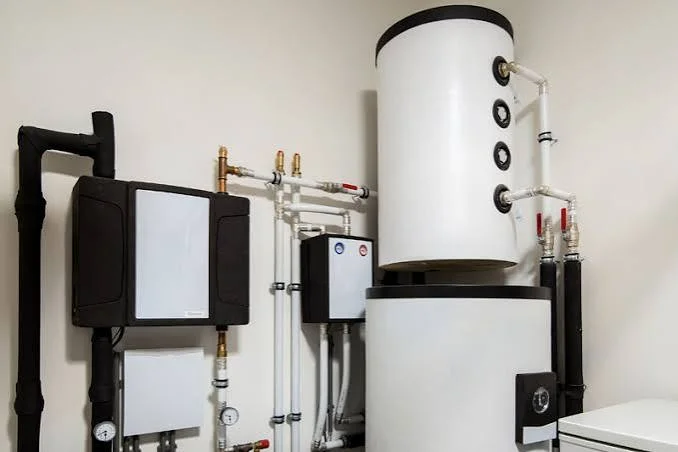
Smart heating controls are one of the cheapest ways to make an older heating system behave better: separate schedules for heating and hot water, so you stop paying to heat a house nobody is in. SEAI offers a flat grant towards them. Here is what the scheme says, and a way to check whether the sums work for your home.
What the grant covers
SEAI describes it as an upgrade of your existing heating system with smart controls, so heating and hot water schedules match how you actually use the home. It is about efficiency and comfort, not new equipment: the grant does not pay for replacing your boiler or heating system. If you are thinking about a heat pump, read our heat pump grant guide instead, because the two grants cannot be combined.
SEAI does not publish an estimated saving for this grant, so any promise of a specific percentage off your bill is a sales claim, not an official figure. Ask your contractor to show you how they arrive at any number they quote.
Who can apply
- Owner occupiers, landlords of tenanted homes who are non-private and non-commercial, holiday homes, companies (including owner management companies), registered charities and approved housing bodies.
- The home must have been built and occupied before 2011.
- The home needs an MPRN, the 11-digit number on your electricity bill.
- You must not be applying for, or have previously claimed, a heat pump system grant.
Who can install the controls
An SEAI registered contractor, registered for the type of work being done. Alternatively, a One Stop Shop can manage the upgrade and apply for you, with the grant deducted from what you pay. Our guide to One Stop Shop vs individual grants explains the trade-off.
How to apply, step by step
- Choose a registered contractor and get quotes. Get a written contract covering the works, prices, timeline, payment terms and warranties.
- Apply to SEAI online or by post and wait for approval before any work starts. Online applications are approved quickly; postal applications take up to 5 working days. SEAI sends a letter of offer by post, and you have 30 days to accept it or you must reapply.
- Complete the works within 8 months of the offer date.
- Get a post-works BER from a registered SEAI BER assessor. A €50 BER grant is available towards it.
- Submit the paperwork: a Declaration of Works signed by you, the BER assessor and the contractor, plus a Request for Payment form. A Tax Clearance Certificate is only needed if you receive more than €10,000 in grant payments in one calendar year.
- Payment usually follows in 4 to 6 weeks.
You will need proof of ownership, your MPRN, the contractor’s name and ID number, the dwelling type, and the year the home was built and occupied. Our general guide to how to apply for an SEAI grant has more on the portal.
Is it worth it? A payback check you can do yourself
The grant is a flat €700, so the real question is what the controls cost and what they save. Here is an illustration with made-up numbers; replace them with your own quote and bills.
- Quote for the controls and installation: €1,500 (illustrative)
- Cost after grant: €1,500 − €700 = €800
- Your yearly heating bill (gas, oil or electricity for heating): €1,600 (illustrative)
- If better scheduling trims 5%: €1,600 × 5% = €80 a year, so payback is about 10 years
- If it trims 10%: €160 a year, so payback is about 5 years
Nobody can promise which of those you will get. The controls pay back fastest where heating currently runs on a single timer, rooms are heated when empty, or hot water is heated all day. If your system is already well controlled, the grant may not change much. Our cheapest way to heat a house guide shows how to work out your running cost per kWh first.
Before you sign
Ask for a written quote that lists exactly which controls are being installed and what they replace. Confirm the contractor is SEAI registered for this type of work, who submits the application, and who arranges the post-works BER. This article is general information, not personal financial advice. Check seai.ie for the latest terms before you apply.