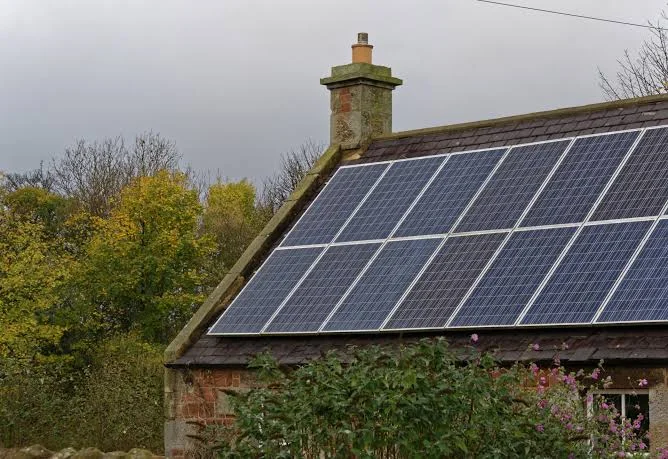
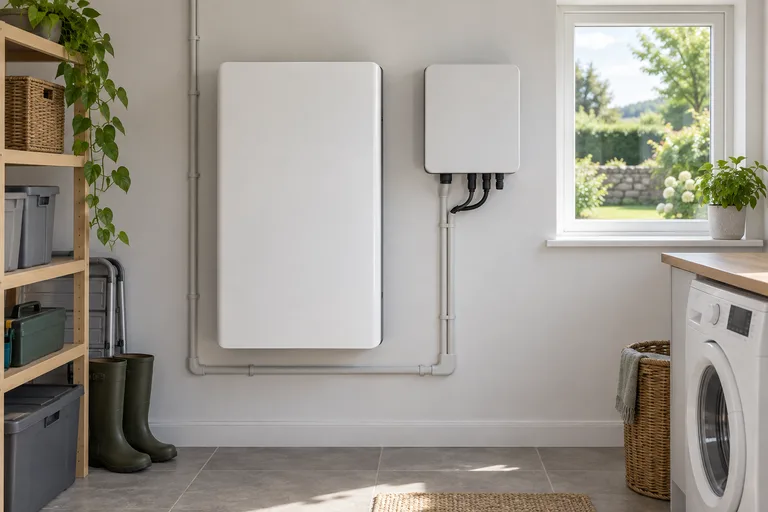
When your panels produce more than the house is using, the surplus flows out to the grid — and you can be paid for it. This guide covers what has to be in place before the payments start, how to estimate what you’ll earn, the tax position, and why exported units are usually worth less than the ones you use yourself.
Step 1: get the system registered with ESB Networks
Before a micro-generator connects to the grid, ESB Networks must be notified on the NC6 form under its “inform and fit” process. This covers typical home systems: up to 6 kVA on a single-phase supply (most houses) or 11 kVA on three-phase.
- Your installer normally completes and submits the NC6, because it asks for technical details of the inverter and protection settings.
- Ask for a copy of the submitted form for your records.
- Without a valid NC6 notification you are not eligible for export payments.
- If panels were fitted without one, ESB Networks has a retrospective registration route; a registered installer can complete it for you.
Step 2: measuring what you export
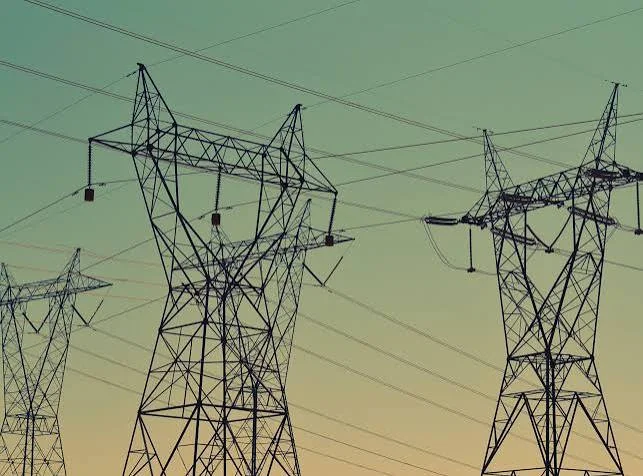
Exports are recorded by a smart meter, which measures electricity flowing both ways. Where a home doesn’t yet have one, ESB Networks can use a deemed export calculation — an estimate based on the size of the system — until metered data is available. Your supplier then applies the export credit to your bill.
Step 3: choose a supplier and export rate
Each supplier sets its own CEG rate, so the payment per exported unit varies. When comparing suppliers, look at both numbers together: the import unit rate you pay and the export rate you’re paid. A high export rate attached to a poor import rate can leave you worse off. See switching electricity supplier.
How much might you earn?
Hypothetical figures to show the method — use your installer’s estimate and your supplier’s rate:
| Assumption | Value |
|---|---|
| System | 4 kWp |
| Annual generation | 3,600 kWh |
| Share used in the home | 40% → 1,440 kWh |
| Exported | 60% → 2,160 kWh |
| Export rate | Annual export income |
|---|---|
| 10c per kWh | €216 |
| 15c per kWh | €324 |
| 20c per kWh | €432 |
Compare that with the value of the 1,440 kWh used directly: at an import rate of 30c, those units avoid €432 of purchases. The same panels, the same sunshine — but each self-used unit is worth twice an exported unit at a 15c export rate. That’s why shifting usage into daylight hours, or diverting surplus to hot water, often beats exporting. We compare those options in export or hot water?
The tax position
Under Revenue’s current guidance for micro-generation:
- Up to €400 a year of profit from exported electricity is exempt from income tax, USC and PRSI.
- The exemption applies to each individual named on the electricity bill for their main residence — two people named on the bill can each use it.
- It covers generation from 1 January 2022 to 31 December 2028.
- Profit above the exempt amount must be declared.
- Budget 2027 announced an increase to €600; it applies only once enacted, so check Revenue for the date.
In the example above, export income stays under €400 at 10c and 15c. At 20c it reaches €432: with one person named on the bill, €32 would sit above the current exempt amount; with two named people it would not.
Common problems and fixes
- No export credit on the bill: check the NC6 was submitted and that the supplier has your export registered.
- Panels installed years ago without registration: use the retrospective registration route through a registered installer.
- Export credit looks low: compare it against the deemed or metered export figure, and compare your supplier’s export rate with others.