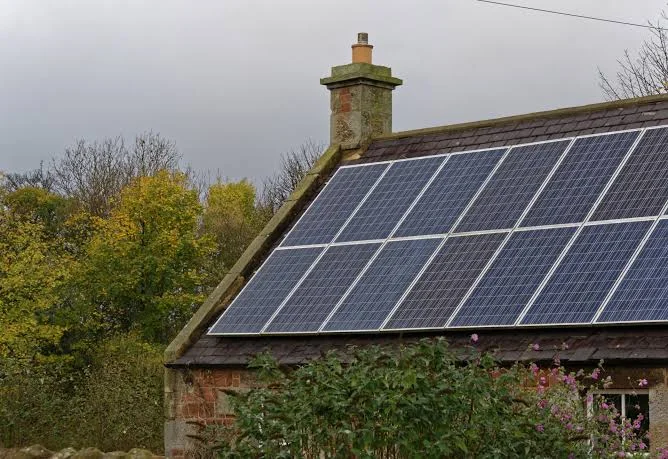
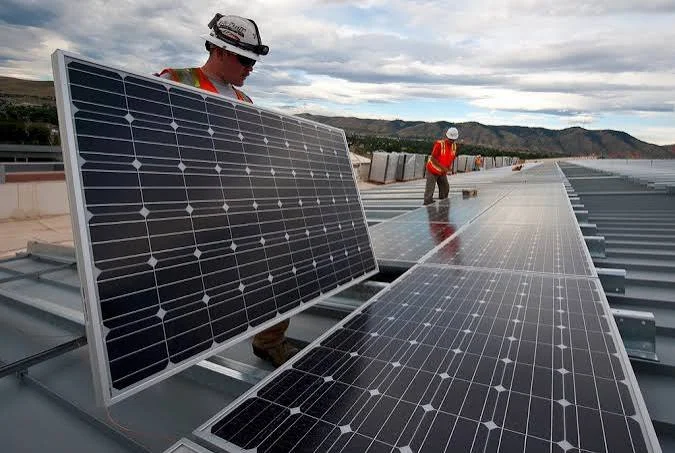
Solar water heating (solar thermal) uses the sun to heat your domestic hot water, separately from solar PV, which generates electricity. SEAI supports it with a flat €1,200 grant. Here’s how it works and how it differs from the better-known solar PV grant.
What the grant covers
The Solar Water Heating Grant is a flat €1,200, unlike the solar PV grant, which is banded by system size up to a maximum of €1,800. It applies to owner-occupiers, as well as companies, approved housing bodies, registered charities, holiday home owners, and non-private landlords of tenanted properties.
To qualify, your home generally needs to have been built and occupied before 2021 and have a valid MPRN on your electricity bill. The system itself should be sized to meet around 50–60% of your home’s annual hot water needs, based on the property’s capacity rather than how many people currently live there.
Solar water heating vs. solar PV: not the same grant
It’s easy to mix these up, so here’s the distinction:
| Solar PV | Solar water heating | |
|---|---|---|
| What it does | Generates electricity | Heats water directly |
| Grant amount | €700/kWp up to €1,800 max | Flat €1,200 |
| VAT on supply + install (private home) | 0% | Not covered by the 0% relief — typically 13.5% |
Planning permission
Most domestic solar thermal installations don’t need planning permission, but there’s a size threshold: if your collector area is bigger than 12m², or covers more than 50% of your roof area, you’ll need to apply. Your installer should flag this during the quote stage.
How to apply, step by step
- Get quotes from SEAI-registered contractors.
- Apply to SEAI for approval before any work starts — as with other SEAI grants, starting early can cost you the grant.
- Once approved, complete the works within the scheme’s timeframe.
- Have a post-works BER assessment carried out (a €50 contribution toward this is built into the grant).
- Submit your paperwork; SEAI typically processes payment within 4–6 weeks.
Is it worth it compared to solar PV?
For most homes already considering solar, PV tends to have the bigger financial upside today, thanks to the 0% VAT rate and export payments for surplus electricity — see SEAI Solar Grant 2026 and Solar panel cost in Ireland 2026. Solar water heating can still make sense for households with high hot water use (large families, for example) or as a lower-cost complement where roof space or budget rules out a full PV system.