Every Irish electricity bill has two main components: a standing charge you pay no matter what, and a unit rate for every kWh you actually use. The standing charge confuses a lot of people because it doesn’t move with usage — here’s what it actually pays for and what changed for 2026/27.
What the standing charge actually pays for
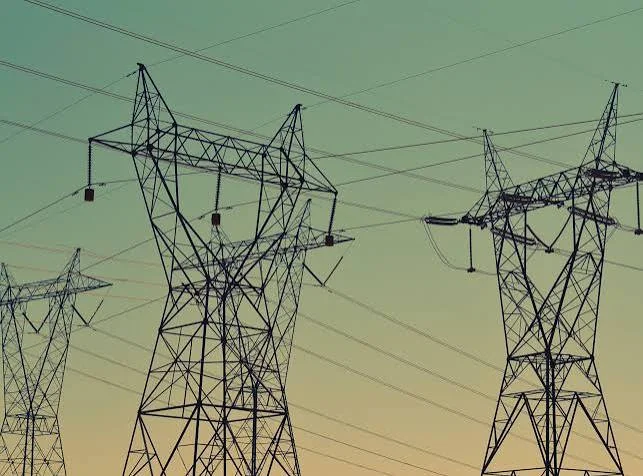
The biggest component of your standing charge is network charges — the cost of building, maintaining and reinforcing the transmission and distribution grid that carries electricity to your home. These charges are set by the Commission for Regulation of Utilities (CRU), Ireland’s energy regulator, and apply across all suppliers, not just one.
On top of network charges, your standing charge also includes a share of the PSO (Public Service Obligation) Levy, which funds renewable energy and security-of-supply support schemes, plus a portion of your supplier’s own fixed costs (billing, customer service, and so on).
Why standing charges changed for 2026/27
The CRU approves network charges annually, effective from 1 October. For 2026/27, it approved funding allowances of €1,582.51 million for distribution and €1,502.44 million for transmission — about €138 million lower than network companies had originally requested, but still an increase on the prior year. For a typical domestic customer, that works out to network charges rising by roughly €41.25 over the year, or about €3.44 a month.
At the same time, the PSO Levy dropped sharply: the national requirement for 2026/27 is €41.48 million, down from €125.38 million in 2025/26 — a 66% decrease across all customer categories. In practice, that means domestic customers pay around €0.51 a month toward the PSO Levy from 1 October 2026, compared with a higher figure the year before. The levy cut partly offsets the network charge increase, but doesn’t cancel it out entirely.
Standing charge vs. unit rate: why both matter
A plan with a low standing charge but a high unit rate can suit a low-usage household (a small apartment, say), while a plan with a higher standing charge but a lower unit rate often works out cheaper for a home with high, steady usage (electric heating, an EV, a large family). When comparing suppliers, always look at the total estimated annual cost for your actual usage pattern, not the standing charge or unit rate in isolation — see how to reduce your electricity bill and switching electricity supplier in Ireland for how to run that comparison properly.
The bottom line
The standing charge isn’t a hidden fee — it’s the regulated cost of keeping the grid running, plus a slice of national energy policy costs, bundled into a fixed daily amount. You can’t avoid it by cutting usage, but you can reduce its relative weight on your bill by making sure the supplier and plan you’re on actually suit your usage pattern.