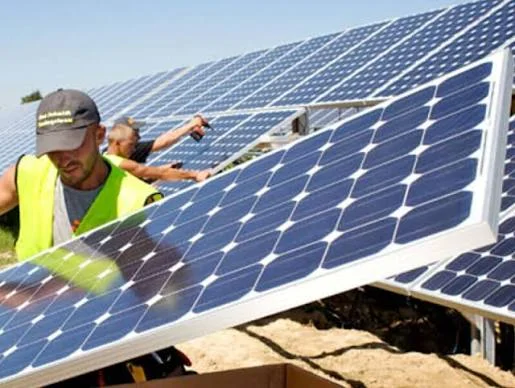
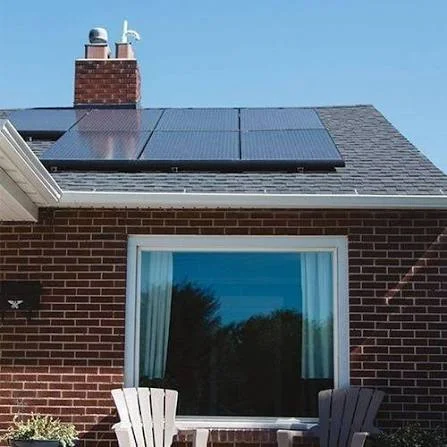
Solar panels are one of the most popular home energy upgrades in Ireland right now — and for good reason. Electricity prices are high, the SEAI solar grant covers up to €1,800, and the supply and installation of panels on homes is charged at 0% VAT. This guide explains what solar really costs in Ireland in 2026, what you can claim, and how quickly it pays for itself.
What do solar panels cost in Ireland?
The price depends mainly on system size (measured in kilowatt-peak, kWp) and whether you add a battery. As a rough guide to typical market prices in Ireland in 2026 (before the grant):
| System size | Roughly suits | Typical price before grant | After size-based grant |
|---|---|---|---|
| ~2 kWp | Small home, low usage | €5,000–€7,000 | €3,600–€5,600 |
| ~4 kWp | Average 3–4 bed home | €8,000–€10,000 | €6,200–€8,200 |
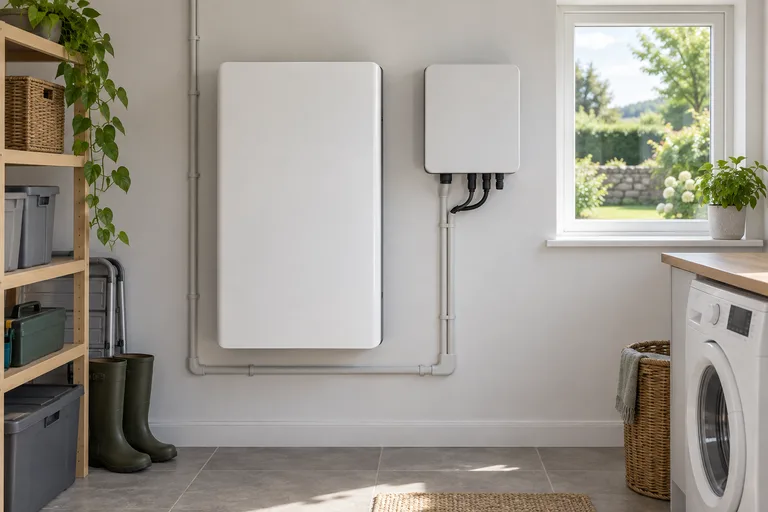
| 4 kWp + battery | Higher usage, more self-use | €11,000–€15,000+ | €9,200–€13,200+ |
Because domestic solar is 0% VAT, a proper quote for your home should already exclude VAT — check that it does.
The SEAI solar grant, explained
The Solar Electricity (PV) Grant from SEAI is the main support for homeowners. For 2026 it works like this:
- €700 per kWp for the first 2 kWp
- €200 for each additional kWp up to 4 kWp
- Maximum grant: €1,800
So a 2 kWp system attracts €1,400, a 3 kWp system €1,600, and a 4 kWp (or larger) system the full €1,800.
Am I eligible?
To qualify you generally need:
- A home built and occupied before 2021
- A valid MPRN (the meter point reference number on your electricity bill)
- No previous solar PV grant claimed at that MPRN
- To apply and get approval before any work starts
How to apply (step by step)
- Check eligibility and choose an SEAI-registered installer.
- Apply online to SEAI and wait for grant approval — don’t start work before this.
- Have the system installed. You then have 8 months from approval to complete the works.
- A post-works BER assessment is completed where required.
- Submit your documents and SEAI pays the grant.
Selling electricity back to the grid
When your panels produce more than you use, you can be paid for the surplus you export. Under the Clean Export Guarantee (CEG), electricity suppliers pay you for exported units — you’ll need a smart meter to measure it. Rates vary by supplier, so it’s worth comparing. A portion of the income from micro-generation is also exempt from income tax up to an annual limit (confirm the current limit, as it can change in the Budget).
This is why solar pairs well with the rest of your home energy setup — see our guides on cutting your energy bills and SEAI grants for the bigger picture.
Is solar worth it for your home?
Solar makes most sense if you:
- Use a decent amount of electricity during daylight hours (or can shift usage to the day)
- Have a south, east or west-facing roof with little shading
- Plan to stay in the home long enough to pass the payback point
If you’re out all day and use most power in the evening, a battery (or shifting usage) matters more to your return. We go deeper in Are solar panels worth it in Ireland? and break down real numbers in Solar panel cost in Ireland 2026.