If you are thinking about a bigger retrofit — insulation, a heat pump, maybe windows — the first step through SEAI’s One Stop Shop route is a Home Energy Assessment. It is more detailed than a standard BER, and SEAI contributes €350 towards it. Here is what it includes, what you actually pay, and when it is not the right first step.
What a Home Energy Assessment is
SEAI describes it as a detailed report on your home’s energy performance, giving you the information you need to start a full home energy upgrade. It is different from a standalone BER, which covers the rating only. The assessment is part of the One Stop Shop service, where a registered provider plans and manages the works.

What the report includes
According to SEAI, the report contains:
- A BER assessment
- A full technical report on your home’s energy efficiency
- The upgrades needed to reach a BER of B or better
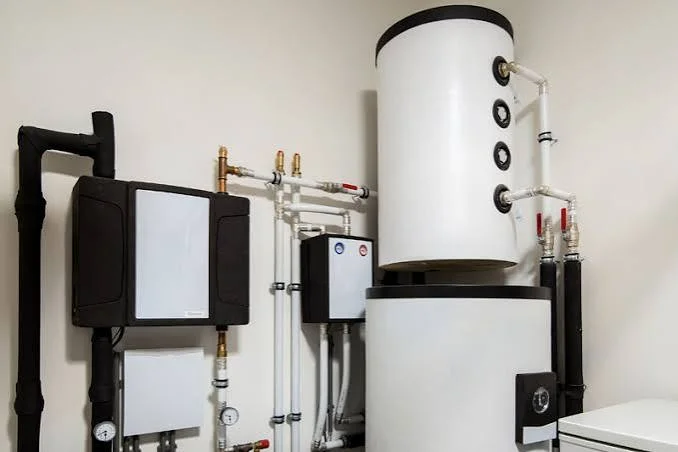
- A heat pump technical assessment, covering the upgrades your home would need for a heat pump
- An explanation of how the upgrades will improve comfort and reduce energy bills
- An estimate of upgrade costs
The heat pump section matters because the Heat Loss Indicator and the readiness of your home are the usual sticking points for heat pump projects.
What you pay
SEAI’s own example: on a €600 assessment, you pay the One Stop Shop €250, and they claim €350 from SEAI. The assessment price is set by each provider, so SEAI advises getting quotes from several One Stop Shops.
| Assessment price (example) | SEAI grant | You pay |
|---|---|---|
| €500 | €350 | €150 |
| €600 | €350 | €250 |
| €700 | €350 | €350 |
The first row is simple arithmetic on SEAI’s grant amount; only the €600 case comes from SEAI. Prices vary, so use the table to sense-check quotes, not as a guide to what providers charge.
How it works, step by step
- Contact a registered One Stop Shop and get a few quotes.
- The One Stop Shop sends a technical surveyor to assess your home.
- You receive the Home Energy Assessment report.
After the report: your options
SEAI is clear that you are not locked in:
- You can proceed with the recommended package, with the One Stop Shop deducting the grants from the invoice.
- You can take the report to any registered One Stop Shop, not only the one that did the assessment — useful for comparing quotes.
- You can choose one or two upgrades and apply for individual grants instead. See One Stop Shop vs individual grants and how to apply for an SEAI grant.
Who it suits, and who should start with a BER
SEAI says the assessment is for homeowners considering multiple energy upgrades who are applying for the One Stop Shop service. The One Stop Shop route is for homes built and occupied before 2011, and the finished works must reach a BER of B. If you are unsure where to start, or want only one or two upgrades, SEAI suggests a BER may be a better starting point. Costs for that are covered in our BER assessment cost guide.