Most SEAI grants pay part of an upgrade. The Warmer Homes Scheme is different: for eligible homeowners the work is fully funded, and SEAI arranges it. The trade-off is time — it’s a popular scheme with a waiting list. This guide explains who qualifies, what happens after you apply, how to prepare, and the higher-rate individual grants you can use in the meantime.
Who qualifies
You may qualify if you own and live in your home (built and occupied before 2006) and receive one of these payments:
- Fuel Allowance (as part of the National Fuel Scheme)
- Working Family Payment
- One-Parent Family Payment
- Domiciliary Care Allowance
- Carer’s Allowance, where you live with the person you care for
- Jobseeker’s Allowance for over six months, with a child under seven
- Disability Allowance for over six months, with a child under seven
Qualifying payments can change, so check the SEAI Warmer Homes page for the current list. If you’ve only just been approved for a payment, SEAI advises waiting until it has been paid for a few weeks before applying, so the eligibility check can find it.

What happens after you apply
| Stage | What to expect |
|---|---|
| Application | Submitted to SEAI; eligibility checked with the Department of Social Protection |
| Waiting list | Applications are processed in turn; times vary with demand |
| Survey | A surveyor visits to assess the home and decide which measures are suitable |
| Works | A contractor appointed through the scheme carries out the agreed measures |
| Completion | The works are checked; a BER may be carried out |
How to prepare for the survey
- Clear access to the attic hatch, hot water cylinder and meter.
- Note problem areas: cold rooms, damp patches, draughts, condensation.
- Gather details of any previous work, such as insulation or a new boiler.
- Ask questions: which measures are proposed, why, and what preparation the works will need.
The faster alternative: higher-rate individual grants
Homeowners on the same qualifying payments can also apply for individual grants at higher rates for some measures, hire an SEAI-registered contractor themselves, and get the work done sooner. SEAI has said that using these grants doesn’t affect your place on the Warmer Homes waiting list for other measures.
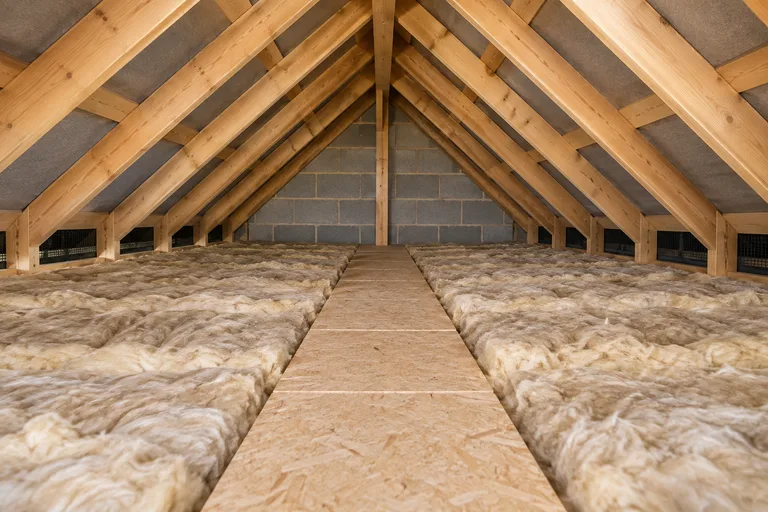
For example, SEAI lists these attic insulation grants for homeowners on qualifying payments:
| House type | Higher rate (qualifying payments) |
|---|---|
| Detached | €2,500 |
| Semi-detached or end of terrace | €1,900 |
| Mid-terrace | €1,800 |
| Apartment | €1,400 |
A higher cavity wall insulation rate for the same households has applied since 2 March 2026. Check the current amounts on the SEAI page for homeowners on qualifying payments.
Which route should you take?
| Your situation | Usually the better fit |
|---|---|
| The home needs several measures and you can wait | Warmer Homes Scheme |
| You can’t pay anything towards the work | Warmer Homes Scheme |
| One urgent measure, such as attic insulation before winter | Higher-rate individual grant |
| You can pay the contractor and wait for the grant to be repaid | Higher-rate individual grant |
With individual grants you pay the contractor first and are repaid after the works — see the cash-flow example in how to apply for an SEAI grant. Ask whether the contractor’s price is fully covered by the grant for your house type before you sign.
If you don’t qualify
The standard individual grants still part-fund most upgrades. Attic insulation is usually the best-value place to start, followed by wall insulation.