“Which fuel is cheapest?” changes with prices, so a table of winners goes out of date quickly. A method doesn’t: compare systems by what one unit of heat costs, using the prices on your own bills. Then look at the other half of the bill — how much heat the house needs — which insulation and controls change for every system.
The formula
Heating cost per year = heat needed (kWh) × fuel price per kWh ÷ efficiency
- Fuel price per kWh — on gas and electricity bills (use VAT-inclusive unit rates). For heating oil, divide the price per litre by about 10 kWh per litre for kerosene.
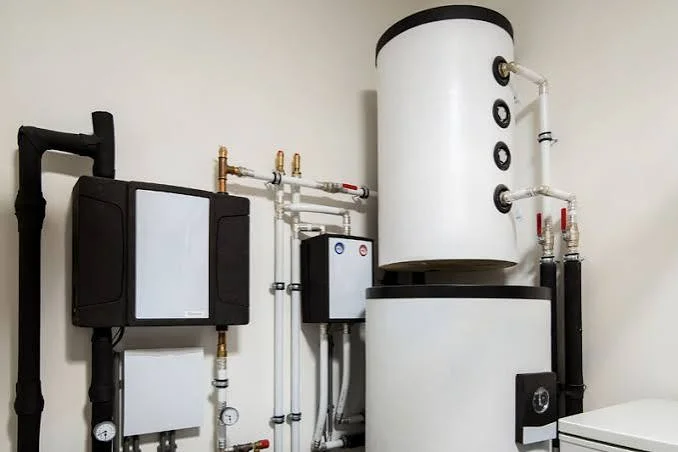
- Efficiency — a modern condensing gas or oil boiler is around 85–90% in practice; a direct electric heater is 100%; a heat pump’s seasonal efficiency (SCOP) is typically 3–4 in a well-insulated home and lower in a leaky one.
Systems compared with example prices
Hypothetical prices to show the method — replace them with yours:
| System | Price per kWh bought | Efficiency | Cost per kWh of heat |
|---|---|---|---|
| Heat pump (insulated home) | 30c | SCOP 3.5 | 8.6c |
| Heat pump (leaky home) | 30c | SCOP 2.5 | 12.0c |
| Oil (kerosene) boiler | ≈10c (€1.00 per litre) | 85% | 11.8c |
| Gas boiler | 12c | 90% | 13.3c |
| Storage heaters on night rate | 18c | 100% | 18.0c |
| Plain electric heaters, day rate | 35c | 100% | 35.0c |
Solid fuels vary too much by type and quality to fit one line, and air-quality rules limit what can be burned; if you use them, apply the same formula with the fuel’s energy content and your stove’s efficiency.
The bigger lever: how much heat you need
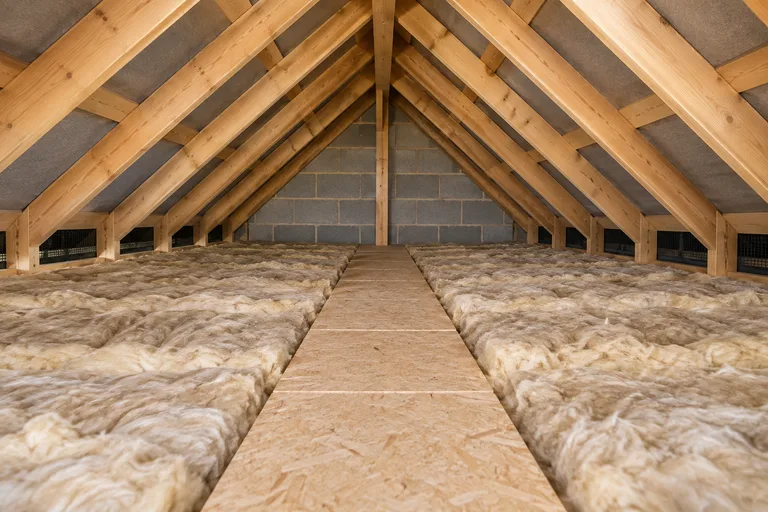
Here is the same example home before and after insulation, with illustrative heat demand of 15,000 kWh a year falling to 11,000 kWh after attic and wall insulation:
| System | Before (15,000 kWh) | After (11,000 kWh) | Saving |
|---|---|---|---|
| Gas boiler (13.3c) | €2,000 | €1,467 | €533 |
| Oil boiler (11.8c) | €1,765 | €1,294 | €471 |
| Heat pump (SCOP 3.5, 8.6c) | €1,286 | €943 | €343 |
The insulation saving applies whatever system you have, and it also makes a heat pump more efficient by lowering the water temperatures needed. That’s why the order is insulate first, then change the system. See attic insulation and wall insulation.
Savings that need no new system
- Controls: use a timer and room thermostat; heat only the rooms and hours you need.
- Draught-proofing: doors, windows, letterbox, unused chimneys — while keeping intended ventilation.
- Hot water: heat the cylinder for when it’s used rather than all day; insulate the cylinder.
- Radiators: bleed them, and don’t block them with furniture or long curtains.
- Boiler service: an efficient, well-adjusted boiler wastes less fuel.
When to change the system
- The boiler has failed and the home isn’t insulated: a like-for-like replacement may be the practical choice now — then insulate and plan for a heat pump later.
- The home is insulated and the boiler is ageing: compare a heat pump properly — see is a heat pump worth it? and the heat pump grant of up to €12,500.
- You heat with direct electric heaters: a cheaper tariff window and controls help immediately; see is night-rate worth it?