A heat pump is usually the biggest single energy upgrade a household considers, and quotes for apparently similar homes can differ by thousands of euro. Most of that difference is scope — what the installer includes — rather than the unit itself. This guide breaks down what’s in a quote, shows how the grant bundle applies in three common situations, and gives you a way to compare quotes fairly.
Price ranges by system type
| System type | Typical quote before grant | SEAI grant | Typical fit |
|---|---|---|---|
| Air-to-water | €10,000–€16,000 | up to €12,500 (house) | Most homes with radiators or underfloor heating |
| Ground source | €18,000–€25,000+ | up to €12,500 (house) | Larger plots, or where a borehole is practical |
| Air-to-air | €5,000–€10,000 | up to €7,500 | Smaller homes or rooms without a wet heating system |
These are indicative market ranges to help you judge a quote — not SEAI figures and not a survey of installers. Get two or three written quotes from SEAI-registered installers.
What’s in a quote
A complete air-to-water quote should itemise:
| Line item | Why it matters |
|---|---|
| Heat-loss calculation and system design | Decides the size; an oversized unit costs more and runs less efficiently |
| Heat pump unit (kW output, model) | The main cost; compare like-for-like sizes |
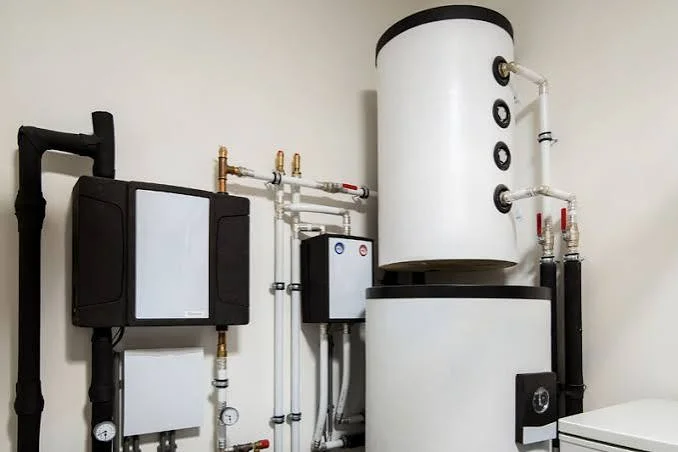
| Hot water cylinder | Heat pumps usually need a cylinder suited to lower temperatures |
| Radiator and pipework upgrades | Often needed to deliver heat at lower flow temperatures |
| Controls and commissioning | Set-up affects running costs as much as the hardware |
| Electrical work | Supply, isolators, any consumer unit changes |
| Removal of the old system | Including oil tank decommissioning, if relevant |
| Technical assessment | Needed for many pre-2007 homes; grant-aided at €200 |
How the grant applies: three common situations
The grant bundle has three parts — up to €6,500 for the heat pump, up to €2,000 for a central heating upgrade, and up to €4,000 renewable heat bonus when replacing oil, gas, solid fuel or electric storage heating. Using illustrative quotes for a house:
| Situation | Example quote | Grant parts | Grant | Net cost |
|---|---|---|---|---|
| Replacing an oil boiler; new radiators needed | €15,000 | €6,500 + €2,000 + €4,000 | €12,500 | €2,500 |
| Replacing a gas boiler; radiators kept | €12,000 | €6,500 + €4,000 | €10,500 | €1,500 |
| Replacing a heat pump that wasn’t grant-aided before | €11,000 | €6,500 only | €6,500 | €4,500 |
The first two only work if the home already meets the heat-loss requirement. If it doesn’t, add the cost of insulation (also grant-aided) before the heat pump — see attic and wall insulation. Full grant rules are in the heat pump grant guide.
Compare quotes line by line
- Check the heat-loss figure each installer used and the unit size they propose. Very different sizes for the same house deserve an explanation.
- List the scope: cylinder, radiators, pipework, electrical work, controls, removal of the old system.
- Ask for the design flow temperature — lower temperatures usually mean better efficiency and lower bills.
- Confirm the grant parts each installer expects you to receive, and who handles the paperwork.
- Compare warranties and aftercare, including who services the system.
Our printable quote checklist has heat pump questions you can take to each installer.
Don’t forget running costs
The installed price is only half the decision. In a well-insulated home a heat pump can match or beat gas and oil on running cost; in a leaky home it can cost more. Use the formula and worked example in is a heat pump worth it? with your own tariff, and measure real performance afterwards with our 14-day running-cost diary.