If you’re selling, renting or planning upgrades, you’ll need a BER. Here’s what it costs in Ireland, what changes the price, and how the assessment works.
What affects the price
- Home size — more rooms and floors take longer to survey.
- Location — assessor travel affects the quote.
- Property type and access — apartments are often cheaper than large detached homes.
- How much information you can provide — receipts and details of insulation, windows and heating can speed things up.
Prices are set by individual assessors, not SEAI, so it’s worth getting two or three quotes from registered assessors.
What the assessor does
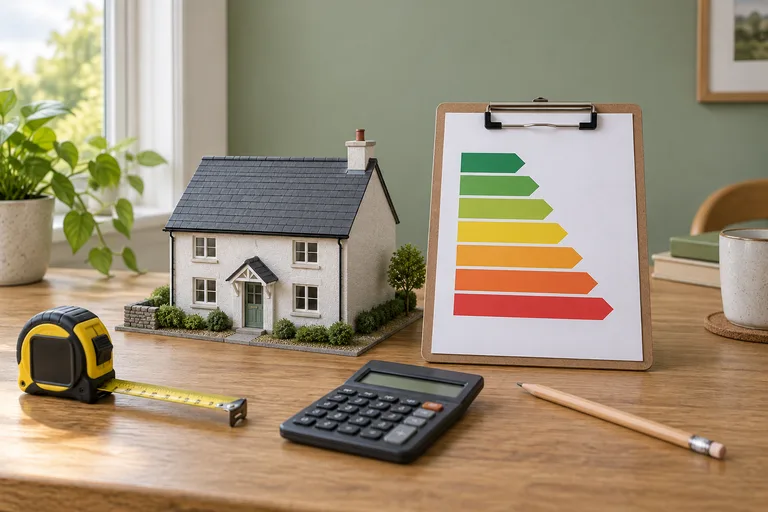
The BER assessor visits your home and records its construction, insulation, windows, ventilation and heating systems. They enter this into SEAI’s methodology, which produces the rating in kWh/m²/year and a band — from A0 to G on certificates issued since 24 May 2026 (older certificates use A1 to G). The certificate is then lodged with SEAI.
When you legally need one
- Selling — a valid BER must be in place and shown in the advertisement.
- Renting — same requirement for the listing.
- New builds — required on completion.
- After SEAI grant works — a post-works BER is usually needed so your improved rating is recorded.
Make the BER work for you
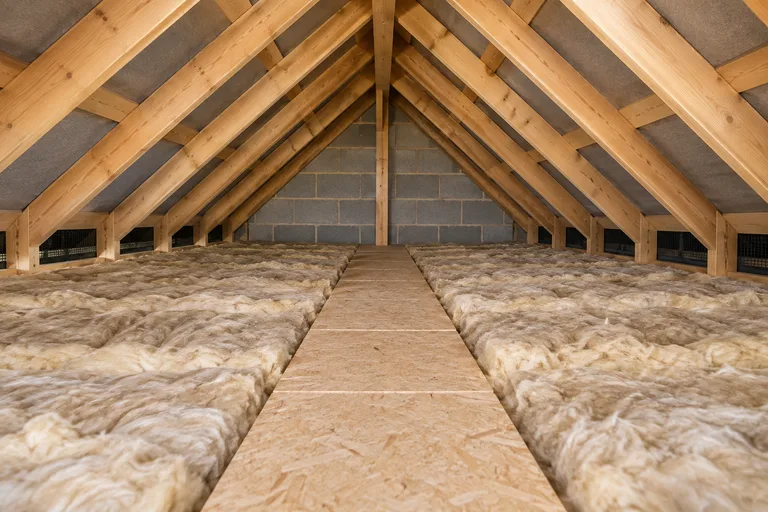
A BER isn’t just a box to tick — it’s a map of where your home loses energy. Use it to prioritise upgrades that lift the rating and cut bills: start with attic and wall insulation, then see how to improve your BER rating.
What to prepare before an assessor visits
Ask the assessor what evidence they can accept for previous upgrades. Useful records may include drawings, insulation product details, installation invoices and heating-system documentation. A receipt that says only “insulation work” may not establish the material, thickness and location. Do not assume undocumented work will automatically receive the rating you expect.
Keep access to the relevant spaces available and ask how long the visit is expected to take. Tell the assessor about extensions, converted roof spaces and changes to the heating system so the scope is clear before the appointment.
Compare the deliverable as well as the fee
Ask whether the quoted fee covers the site visit, lodging the rating, the certificate and advisory material, and whether a return visit would cost extra. If you are planning grant works, establish which assessment is needed at each stage rather than buying a certificate too early and expecting it to cover later changes.
A fictional comparison illustrates the issue: a €220 visit plus a separately quoted €80 follow-up totals €300, whereas a €280 complete proposal is cheaper if it includes the same work. That example is not a suggested fee or a claim that a follow-up is always necessary.
A BER is not a prediction of your next bill
Two households in the same building can have different bills because of occupancy, heating schedules, hot-water use and energy prices. Use the rating to understand the building’s assessed performance, then use your bills and a tailored assessment to plan work. Ask the assessor which recommendations address your home’s main weaknesses and which depend on other upgrades first.
A change to the building may also affect whether an existing certificate still represents it. Check the current SEAI BER guidance rather than treating the printed expiry date as the only relevant condition.