Energy prices in Ireland are among the highest in Europe, but a surprising amount of your bill is within your control. This guide covers the reliable ways to pay less — starting with the one most people never do: switching supplier — plus tariffs, standing charges and low-cost efficiency wins.
1. Switch supplier (the biggest quick win)
Irish energy suppliers offer their best prices to new customers. If you’ve been with the same supplier for more than a year, you’re probably on a standard rate and overpaying. Switching is free, takes minutes, and there’s no interruption to your supply.
- Compare deals on a CRU-accredited price-comparison site (such as bonkers.ie or switcher.ie).
- Look at the estimated annual bill for your usage, not just the headline discount.
- Set a reminder to switch again when your discount period ends — that’s when the savings disappear.
2. Understand what’s on your bill
Your electricity bill is mostly:
- Unit rate — what you pay per kWh of electricity used.
- Standing charge — a fixed daily fee regardless of usage.
- PSO levy and VAT — set nationally.
A deal with a very low unit rate but a high standing charge may not be cheaper if you’re a low user. Always compare the total estimated annual cost.
3. Pick the right tariff for how you live
- Flat rate — simple; best if most of your usage is in peak evening hours.
- Day/night or smart tariff — cheaper off-peak hours. Worth it if you can shift dishwasher, washing machine, EV charging or a heat pump to those hours.
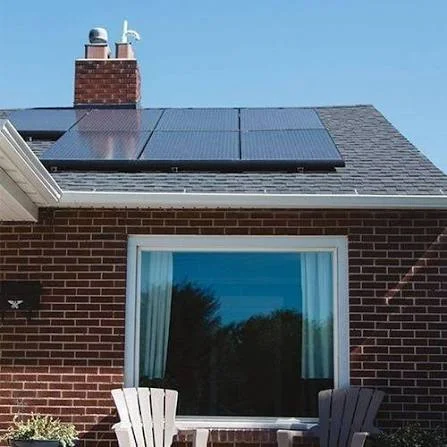
- A smart meter unlocks these tariffs and is required to be paid for solar electricity you export — see solar panels.
4. Low-cost efficiency wins
You don’t need to spend thousands to cut usage:
- Turn down the thermostat a degree and use heating controls and timers.
- Draught-proof doors, windows and the letterbox.
- Switch to LED bulbs and run appliances on eco/off-peak.
- Service your boiler and bleed radiators.
For bigger, structural savings, the real levers are insulation and, in the right home, a heat pump or solar panels — often part-funded by SEAI grants.