Heating is the biggest energy cost in most Irish homes, and the thermostat is the cheapest control you own. SEAI publishes clear guidance on what to set it to and when. This guide turns that guidance into a simple plan and shows what it could mean for your bill.
The room-by-room settings
SEAI’s advice is to set thermostats in the rooms you actually live in to 20°C, and to keep hallways and bedrooms cooler, at 15-18°C. Heating only the spaces and hours you use is the idea behind every other tip on this page. If your system has only one thermostat, the living area is the sensible place for it, and thermostatic radiator valves can then turn down the other rooms.
The 1°C rule, with numbers
SEAI says lowering the room temperature by 1°C can cut your heating bill by about 10%. That is the supplier-neutral national agency’s rule of thumb, not a guarantee for your house. To see what it could mean, use your own annual heating spend:
| Annual heating spend (example) | About 10% saved by 1°C lower | About 20% saved by 2°C lower, if the rule held |
|---|---|---|
| €1,000 | €100 | €200 |
| €1,500 | €150 | €300 |
| €2,000 | €200 | €400 |
Treat the 2°C column with caution: SEAI states the 1°C figure only, so it is an extrapolation of ours.
Timers: shift the schedule, not the comfort
SEAI recommends using timers so your heating follows your routine. Set it to come on about 30 minutes before you need it and go off about 30 minutes before you leave or go to bed, because radiators keep heating for a while after the system switches off. Turn the heating off when you leave the house or go away.
Rooms you rarely use
Turn down or close the radiator valves in rooms you rarely use, and close the doors between heated and unheated rooms. This works well with draught-proofing: SEAI also suggests sealing draughts around windows, keyholes and doors, and fitting a chimney balloon to an unused fireplace. If you improve airtightness a lot, read our guide to ventilation after insulation first.
Hot water settings
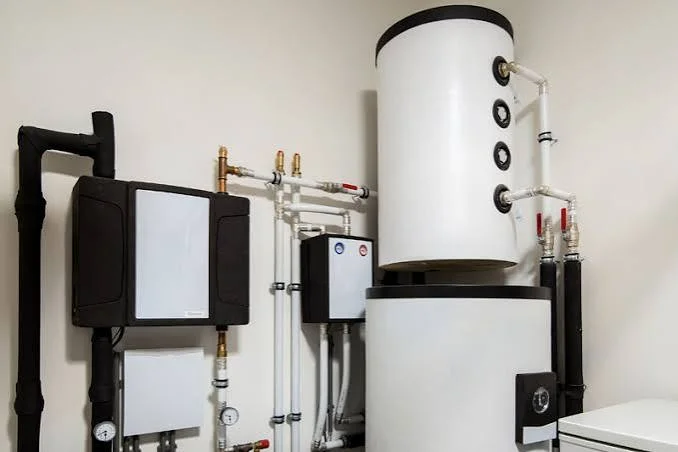
For hot water, SEAI says to set the cylinder thermostat to 60-65°C, set an immersion to 65°C to avoid overheating, use an immersion timer, and insulate the cylinder or fit a lagging jacket. A shower typically uses about 20% of the energy of a full bath. For the running costs, see our immersion heater cost guide.
Smart controls and the €700 grant
SEAI offers a €700 grant towards smart heating controls that let you manage time and temperature from your phone. Eligibility rules apply, so read our SEAI heating controls grant guide before buying anything. Also service your boiler once a year for safety, reliability and efficiency.
Before you change anything
Write down your current thermostat settings, turn the living-room one down by 1°C for a fortnight, and compare your bills or smart-meter readings. This article is general information, not personal financial advice, and the percentages are SEAI’s general estimates. For a bigger saving, compare your options in our guide to the cheapest way to heat a house.